|
|
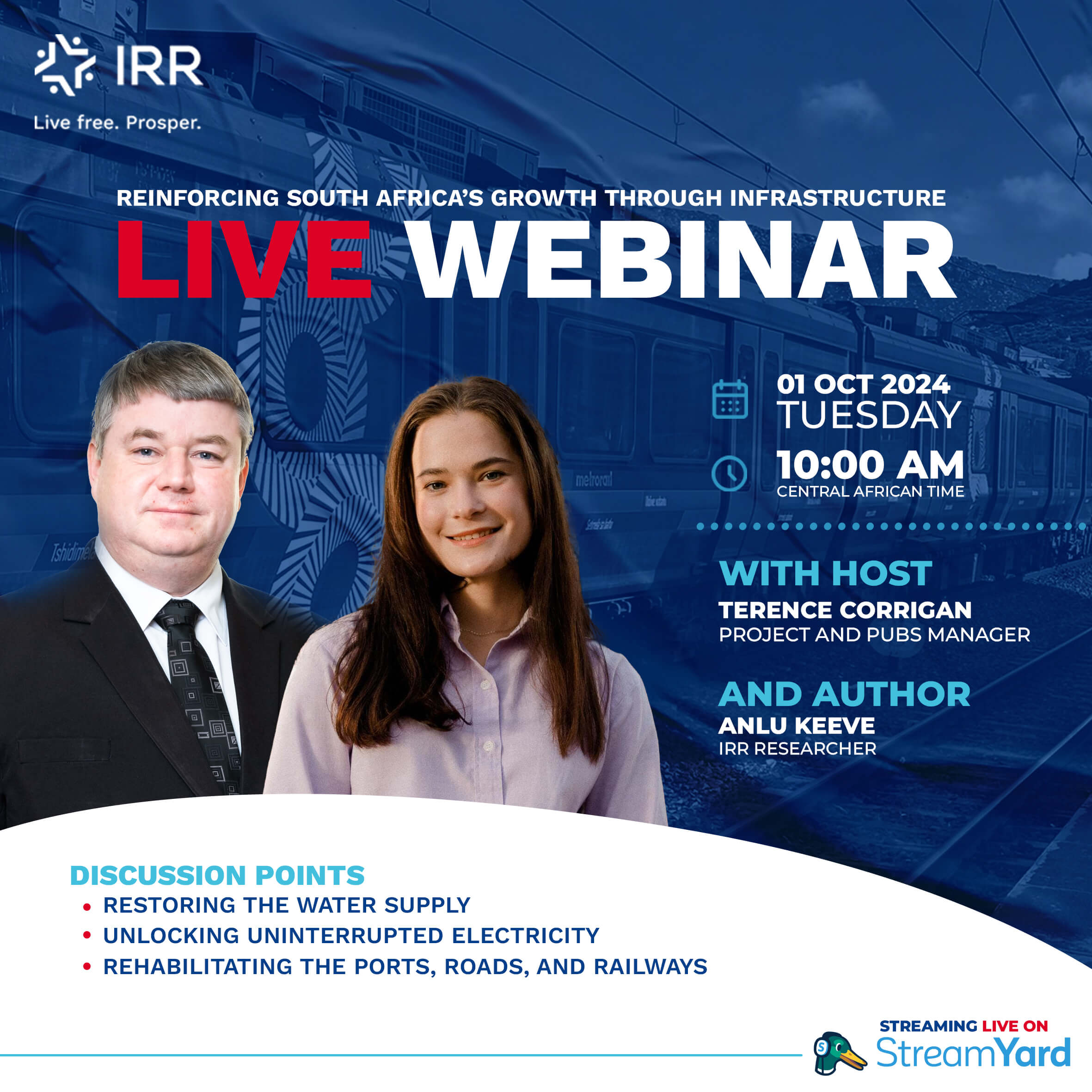
Dear Friend of the IRR, The current water crisis in Jo’burg is leaving millions of residents without water for days at a time. And our biggest city isn’t the only place where water outages are increasingly common, water cuts are a fact of life for South Africans across the country. If infrastructure in South Africa cannot provide something as basic as running water, how can it support the rapid growth we need to create a better life for all its people? In the IRR's latest Blueprint for Growth paper, Reinforcing South Africa’s Growth through Infrastructure, Anlu Keeve discusses the reforms SA needs to restore the water supply, unlock uninterrupted electricity, and rehabilitate the ports, roads, and railways. Click here to register for the report release webinar on Tuesday 1 October at 10:00.
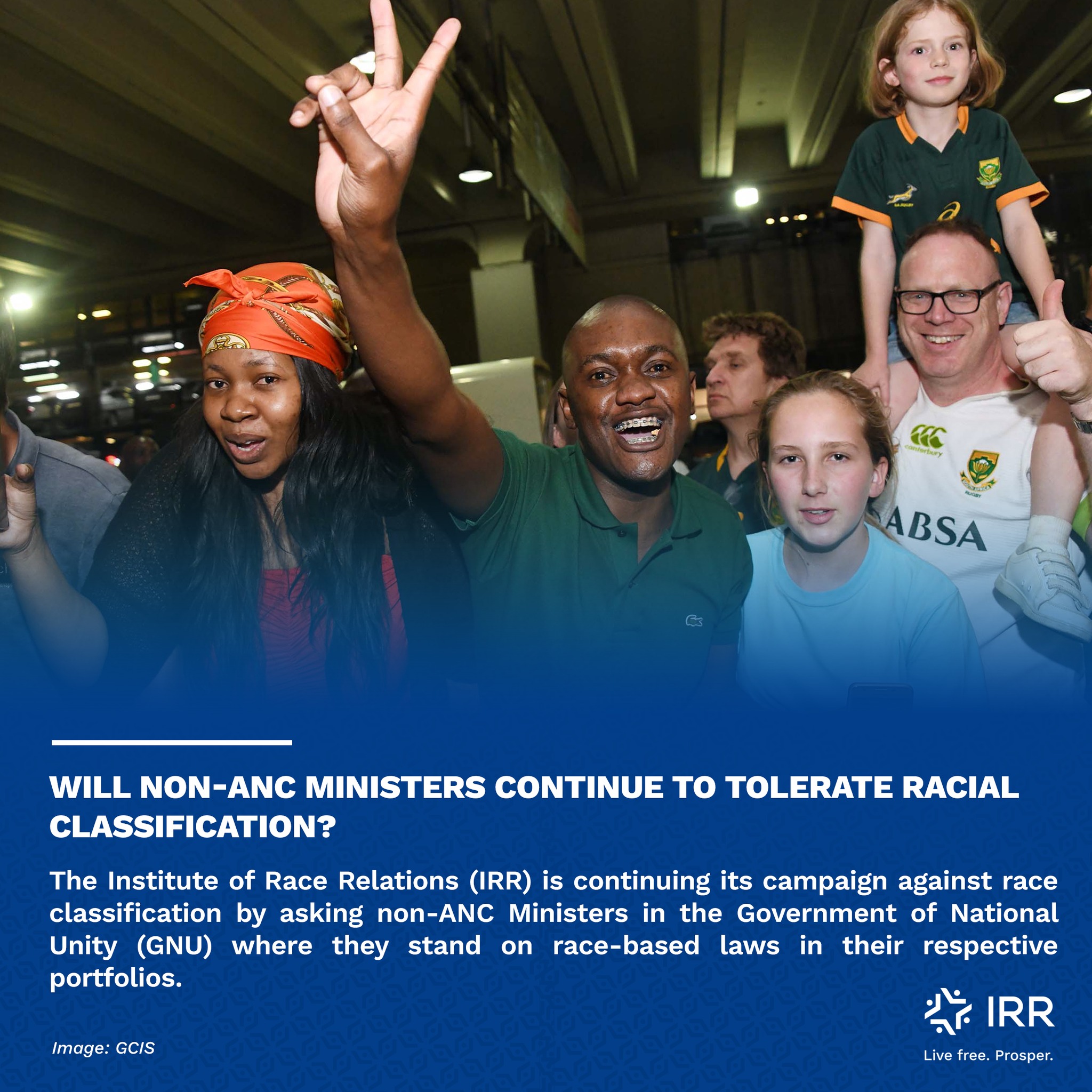
Why does the government still use race to classify us? While race remains an important part of many people's identities, the legal definitions of racial terms like "black", "white”, and “coloured” were abolished in 1991. Why does the government and other organisations still use these terms? And how do they define them, since the legal definitions were abolished? We asked the South African Human Rights Commission (SAHRC) and the Commission for Employment Equity (CEE) to answer these questions. Both organisations have told us they are willing to engage on the issue. The SAHRC has promised us a report and we look forward to meeting them soon. We'll let you know what they say. As part of this campaign, we have also asked non-ANC ministers if they will continue to tolerate racial classification.
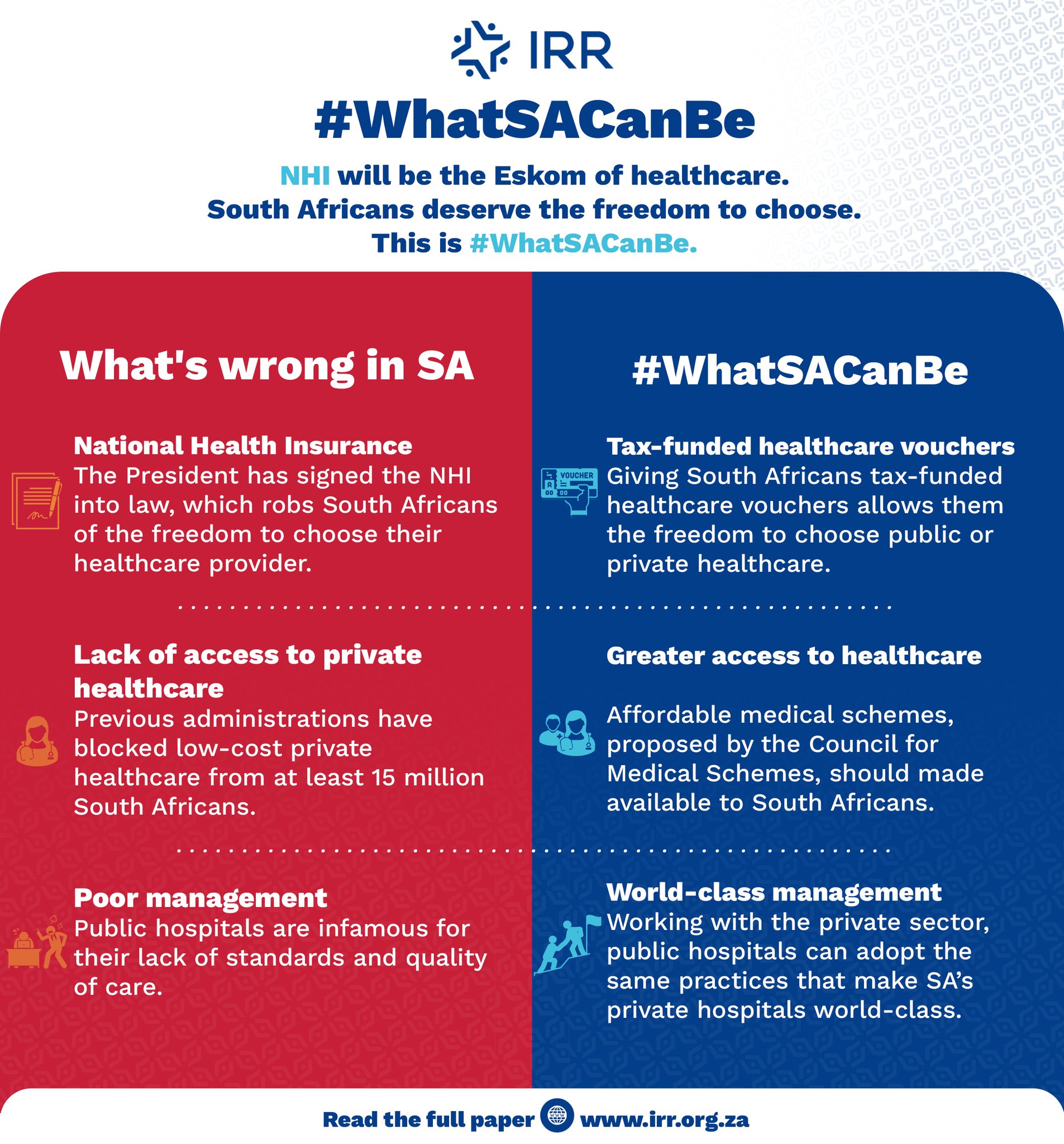
SA doesn't want NHI When President Ramaphosa signed the National Health Insurance (NHI) Bill into law just before the May election, ANC support declined significantly. Clearly, South Africans don't want the NHI to become a reality. It is important to protect South Africa’s world-class private healthcare sector while improving and strengthening the public sector, which most South Africans rely on. We support the alternative to NHI proposed by the Hospital Association of South Africa (HASA) and have also responded to President Ramaphosa's call for ideas to solve the problems with NHI with the following suggestions:
Read more about our proposals for fixing SA's healthcare in our recent #WhatSACanBe paper, Health: Expand Access, Enrich Families.
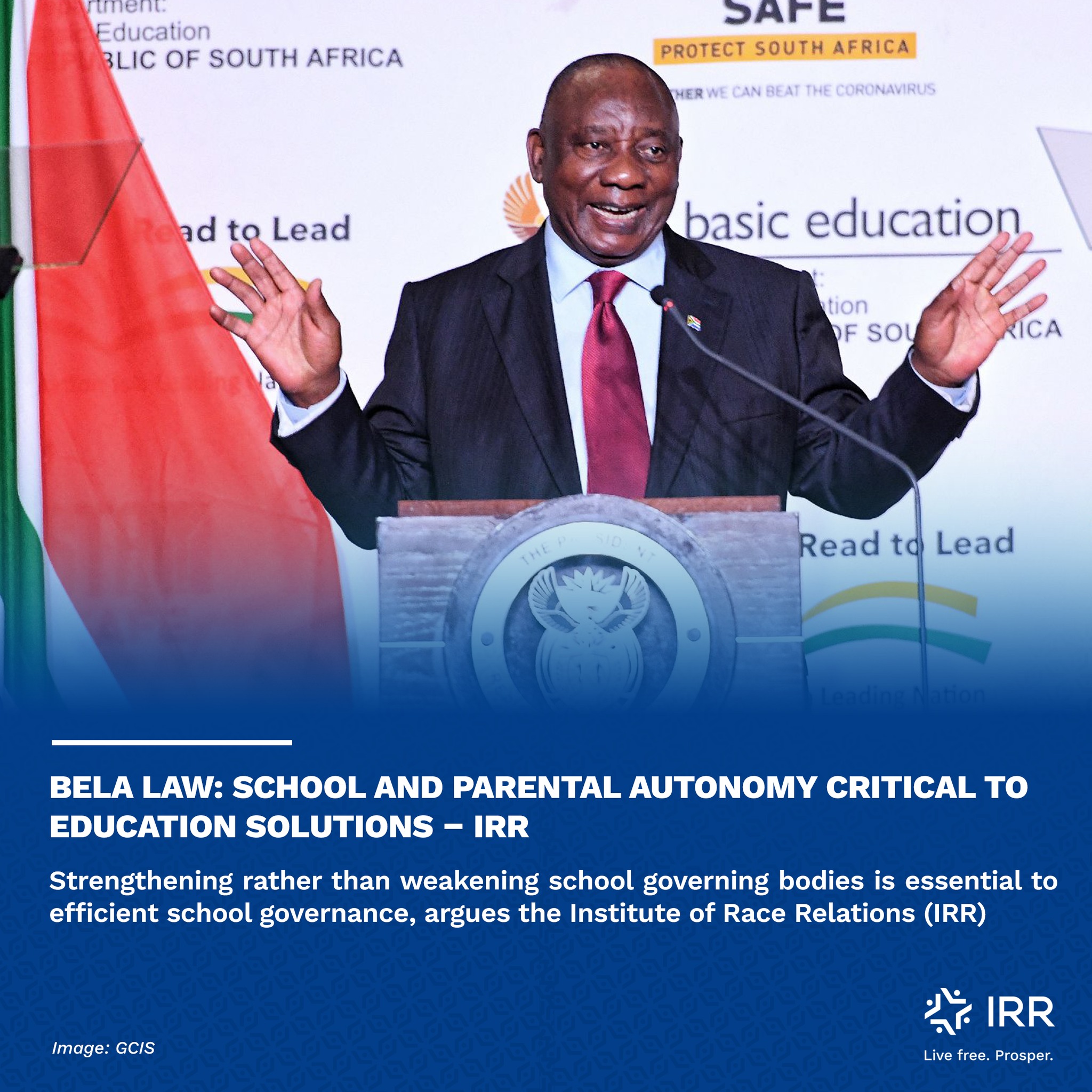
Power to the parents Parents only want the best for their children. That is why they should have the choice. When President Ramaphosa signed the Basic Education Laws Amendment (BELA) Bill earlier this month, he allowed revisions of its key controversial elements like the significant weakening of School Governing Bodies (SGBs). Parents, who form part of SGBs, have a greater interest in the well-being of their children than any government bureaucrat ever could. To ensure that SA's children get the quality education they deserve, we must preserve the power of SGBs.
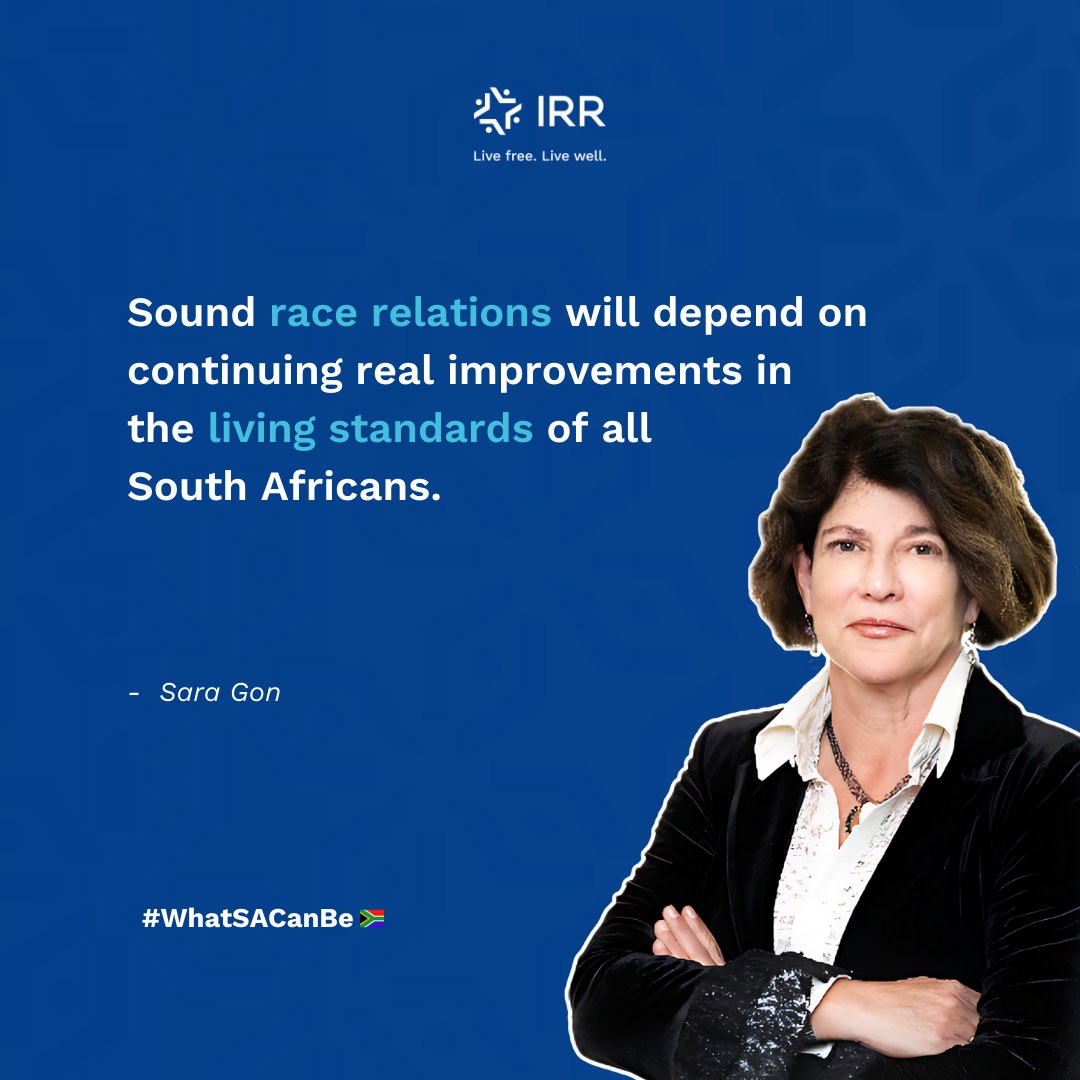
Read more about our proposals for giving SA's children a better future in our #WhatSACanBe paper, Education: Empower Excellence, Beat Back Poverty. Quote of the month
We hope you enjoyed this new format of our newsletter! From now on, we'll send you some monthly highlights of our daily fight for your freedom, made possible by the support of liberal, compassionate South Africans like you. If you want to hear more from us, click on the social media icons at the bottom of this email. You can also receive our regular press releases and event invitations directly to your email inbox – click here to sign up.
|


|
Become a friend of the IRR
|