
|
|
Dear Friend of the IRR, We recently sent a petition to President Ramaphosa urging him not to sign the Expropriation Bill because it is unconstitutional. If President Ramaphosa signs the Bill, the IRR will contest it in court. The Bill conflicts with the rule of law, the property clause in the Constitution, and many other guaranteed rights. It also undermines the fundamental right to own property and will be devastating for our economy and democracy. But what about the consequences for individual property owners? Will the government really be able to expropriate everything you own for zero compensation?
The consequences of the Expropriation Bill
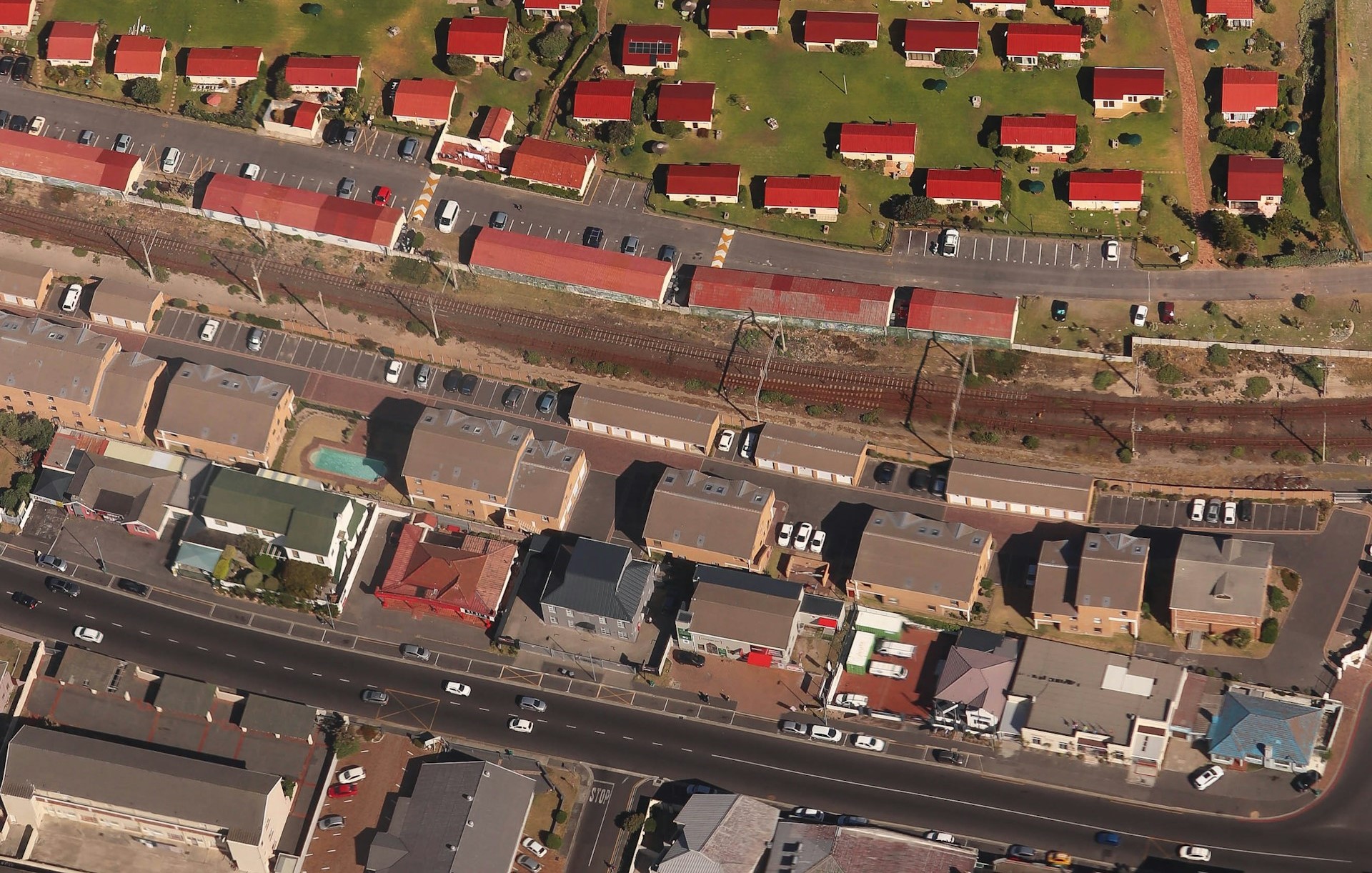
Imagine you and your family live in a house which you have bought with the help of a mortgage bond. Your municipality decides it needs your property, in combination with your neighbours’ properties, for low-cost rental housing. The municipality must start by negotiating to buy your house from you at a reasonable price. You cannot reach agreement, so the municipality issues a notice of intention to expropriate your property, setting out the terms on which it plans to act. You respond to the notice by making plain your objections. Despite your objections, the municipality then serves you with a notice of expropriation. This notice is supposed to state the amount of compensation, either as agreed with you or ‘as decided or approved by a court’. But the Bill is so badly worded that it could allow the municipality to proceed with the expropriation anyway and then seek the necessary court order within the next six months. This would make it unconstitutional – but you would have the burden of proving this to a court. The notice must also contain the ‘date of expropriation’. On this date, ownership of the property will automatically pass to the municipality, by operation of law, and even though the house is still registered in your name. Under the Bill, the date of expropriation could be set as early as the day after you were served with the notice. So, automatically and perhaps only a day after you are served with the notice of expropriation, you lose ownership of your home. The compensation payable has not been agreed or decided by a court and nothing has yet been paid to you. Though you no longer own your home, you may continue living there, at least until the date when the right to possess your home passes to the municipality. This date must also be stated in the notice of expropriation. Again, the passing of the right to possession takes place automatically, by operation of law. In general, this will occur regardless of whether any compensation has yet been paid to you. Since it is your home that is in issue (rather than some other asset), the municipality will need to obtain a court order before it can physically evict you. You will then need to find a new place to live, even though you might still not have received any compensation.
As regards the amount of compensation, you will probably receive much less than market value. The compensation payable depends on all the relevant circumstances, including market value and four other factors listed in the Bill (and also in Section 25 of the Constitution). These four factors include the ‘current use’ of the property and the ‘purpose of the expropriation’. Neither of these can easily be given a monetary value. The current Expropriation Act of 1975 entitles you to compensation for all actual direct losses resulting from an expropriation, such as moving costs and the unpaid portion of a mortgage loan. But the Bill does not mention such compensation, making it unlikely that you will be paid for direct losses of this kind. Hence, the costs of moving, paying off your mortgage loan on what used to be your home (but now belongs to the municipality) and acquiring a new house could be more than the compensation due to you. The government is also notorious for paying late, so you might wait months or years to receive any payment at all. Since your house is needed for land reform purposes, you might even be told that the compensation payable is ‘nil’. The Bill allows the municipality to expropriate land (and perhaps also the ‘improvements’ or buildings on that land) for nil compensation in various listed circumstances. The listed ones are unlikely to apply, as you are using your house and have not abandoned it. But the Bill allows nil compensation in other circumstances too – and the municipality might decide that other factors make it ‘just and equitable’ that the compensation for your home should be nil. If you go to court to contest the validity of the expropriation or the amount of compensation to be paid, you will probably bear the onus of proof in the case. Hence, if you fail to convince the new Land Court that the municipality has erred, for example, on the compensation payable, you will probably have to pay many of the municipality’s legal costs as well as your own. You may find it too difficult to litigate in these circumstances, especially as you must still pay off your mortgage loan, acquire a new home, and move your family there. In the end, you may have little alternative but to give up and accept the loss of your property. If you're like many other South Africans, the property you’ll have lost is not only your home but also your most important asset and the source of your income. The IRR will fight the Bill in court
This scenario might seem so unrealistic that you believe it could never happen to you. However, that is exactly what farmers in Zimbabwe thought until they lost their farms and homes. Click here to read our full petition to the President, which explains how the Bill allows expropriation on these terms. If the law allows for it, there is little concrete you can do to prevent it. We must be vigilant and fight for an Expropriation Bill that is fully in line with the Constitution and protects the property rights of all South Africans, regardless of race. We are consulting with legal experts and will contest the Bill in court if the President signs it into law. Thank you for your support in this fight. Forward this email to all your friends and family who care about property rights and the future of South Africa. Encourage them to support our campaign against EWC by clicking here.
|


|
Become a friend of the IRR
|
